Children naturally become curious about the things they see adults using. Fragrance is no different.
A child may want to try perfume because they like a parent’s fragrance, enjoy a particular smell, see older siblings using it, or simply want something that feels like their own.
That leads many parents to ask a simple question:
Can kids wear perfume?
The answer depends on several factors, including the child’s age, the specific fragrance product, its formulation, the manufacturer’s instructions and the child’s individual sensitivities.
Rather than treating perfume as an adult product that children should automatically avoid, or assuming that every children’s fragrance is suitable for every child, parents can make a more informed decision by understanding what to look for.
Can Kids Wear Perfume?
Children can be introduced to fragrance, but parents should choose the product thoughtfully and follow its instructions.
There isn’t one universal age at which every child should start wearing perfume.
The right approach depends on:
- The child’s age
- The product’s intended age group
- The formulation
- The ingredient information
- How the fragrance is applied
- The child’s individual sensitivities
- The manufacturer’s recommendations
For younger children, parental supervision can be especially useful.
As children grow into tweens and teenagers, fragrance may naturally become part of their personal grooming and self-expression.
What Age Can Kids Wear Perfume?
One of the most common questions parents have is:
“What age can kids wear perfume?”
There isn’t a single age that applies to every child and every fragrance.
A better approach is to consider the child’s stage of development alongside the product’s intended audience.
Younger Children
Younger children may be curious about fragrance but may not yet understand how personal-care products should be used.
If parents decide to introduce perfume at this stage, they can:
- Choose a product specifically intended for the child’s age group
- Read the complete product information
- Follow the manufacturer’s instructions
- Supervise application
- Teach the child not to spray fragrance near their eyes or mouth
- Store the product appropriately
There is also no need to introduce fragrance simply because other children are using it.
If a child isn’t interested, there is no reason to rush the process.
School-Age Children
As children get older, they may begin taking more interest in grooming and personal style.
A fragrance can become an optional part of that routine.
At this stage, parents can involve the child in choosing between different fragrance families.
For example, they might prefer:
- Fruity scents
- Floral scents
- Fresh scents
- Sweet scents
The experience can be about discovering preferences rather than simply wearing perfume because it is fashionable.
Tweens
The tween years are often when fragrance becomes more interesting.
Children between childhood and adolescence may start developing stronger preferences around clothing, hairstyles, personal care and appearance.
A fragrance can become another form of self-expression.
Tweens may also appreciate convenient formats such as pocket perfume, particularly when they are becoming more independent with their personal-care routines.
Teenagers
Teenagers often have a stronger understanding of personal grooming and may want to develop their own fragrance preferences.
At this stage, perfume can become part of a daily routine or a way of expressing personality.
Parents can still encourage responsible use by teaching teenagers to follow product instructions and use fragrance appropriately.
What Should Parents Check Before Giving a Child Perfume?
Before introducing a fragrance, parents can work through a simple checklist.
1. Is It Designed for Children?
Start with the product’s intended audience.
A fragrance designed specifically for children, tweens or teenagers may be more appropriate than simply choosing an adult perfume.
Check the manufacturer’s product description and packaging.
2. What Is the Formulation?
Understand what type of fragrance you are purchasing.
Parents may specifically search for terms such as:
Alcohol-free perfume for kids
However, parents should look at the complete formulation rather than relying on one claim.
Read the product information and ingredient list carefully.
3. Are the Ingredients Clearly Listed?
Ingredient transparency helps parents make informed decisions.
This is particularly important if a child has known allergies or sensitivities.
If you have concerns about a particular ingredient, consult a qualified healthcare professional.
4. Are There Clear Usage Instructions?
A product should provide appropriate directions for use.
Parents should follow these instructions and teach children how to apply the fragrance correctly.
5. Does the Fragrance Suit the Child?
A perfume should be enjoyable for the person wearing it.
Ask your child what they like.
Would they prefer something:
- Fruity?
- Fresh?
- Floral?
- Sweet?
- Light and subtle?
Allowing children to participate in the selection process can make fragrance feel like part of their own personality rather than something chosen entirely by an adult.
How Should Kids Apply Perfume?
Application should always follow the product’s instructions.
For younger children, parents may want to supervise the process.
Children should understand that perfume isn’t something to spray everywhere.
They should avoid spraying fragrance:
- Into the eyes
- Into the mouth
- Onto broken or irritated skin
- In a way that goes against the product instructions
The amount used should also follow the manufacturer’s recommendations.
More fragrance does not necessarily create a better experience.
Should Parents Supervise Kids Using Perfume?
For younger children, supervision can be useful.
Parents can teach children:
- Where the product can be applied
- How much to use
- How to handle the bottle
- Where to store it
- Why it shouldn’t be sprayed near the face
- Why fragrance shouldn’t be shared directly from the bottle
As children become older and more responsible, they can gradually take greater ownership of their grooming routine.
The goal is not simply to control fragrance use.
It is to teach children how to use personal-care products responsibly.
What If My Child Has Sensitive Skin?
Individual sensitivities should always be considered.
If your child has sensitive skin, allergies or a history of reacting to personal-care products, review the ingredients before introducing a new fragrance.
If you are uncertain about whether a product is appropriate for your child, speak with a qualified healthcare professional.
If irritation occurs after using a fragrance, stop using the product.
If the reaction is severe, persistent or concerning, seek appropriate medical attention.
Is Alcohol-Free Perfume Better for Kids?
Some parents specifically look for alcohol-free perfume for kids.
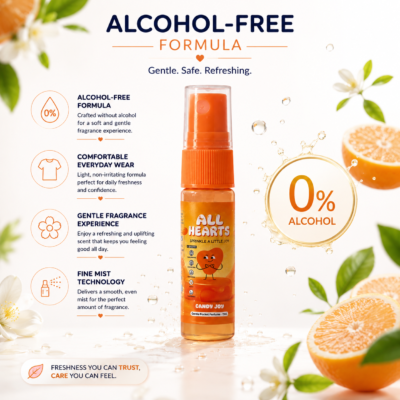
An alcohol-free fragrance is formulated without alcohol as an ingredient in the fragrance formulation.
This can be an important product characteristic for parents who are specifically looking for alcohol-free options.
However, it should not be treated as the only factor when deciding whether a product is suitable.
Parents should still review:
- The full ingredient list
- Product instructions
- Intended age group
- Manufacturer information
- Individual child sensitivities
All Hearts Junior positions its fragrances as alcohol-free, giving parents a clearly communicated formulation feature to consider.
Can Kids Wear Perfume Every Day?
There isn’t one answer for every child.
Fragrance is an optional personal-care product, and everyday use should depend on the individual product’s instructions and the child’s circumstances.
Parents should also consider where the child is going.
For example, schools may have their own policies around fragrance.
A child may also need a lighter approach for school than for a family celebration or special occasion.
The most important principle is to follow the product instructions and use fragrance appropriately.
Can Kids Wear Perfume to School?
This depends on the school’s rules and the specific product.
Some schools may have fragrance-related policies, particularly where students or staff have sensitivities.
Parents should check their child’s school guidelines before allowing fragrance to become part of their school routine.
If perfume is permitted, a compact product can be convenient, but children should still use it according to the manufacturer’s directions.
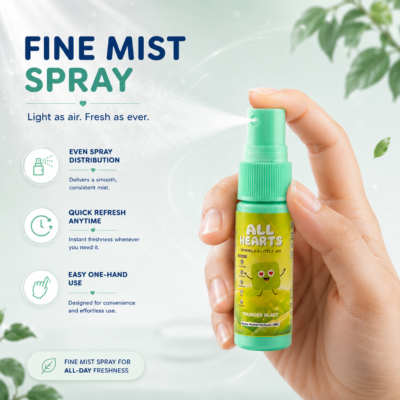
Is Pocket Perfume a Good Option for Kids?
Pocket perfume can be a practical format, particularly for older children and teenagers.
Because of its compact size, it can be easier to carry in:
- A school bag
- Travel luggage
- A personal-care pouch
- A weekend bag
- A small everyday kit
For tweens and teenagers, a pocket perfume can also feel like a personal item they can choose and carry themselves.
However, portability doesn’t change the need to use the product responsibly.
How Can Parents Make Fragrance a Positive Experience?
Introducing perfume doesn’t need to become a complicated beauty routine.
It can simply be an opportunity for children to explore preferences.
Parents can make the experience positive by:
Letting Children Choose
Allow them to smell and compare suitable fragrances where appropriate.
Teaching Responsible Use
Explain how much to use and where to apply it.
Keeping Expectations Simple
Perfume doesn’t need to become an essential part of a child’s routine.
Encouraging Personal Expression
Let children discover which fragrance feels like them.
Keeping Safety in Mind
Read the product information and pay attention to individual sensitivities.
Perfume Shouldn’t Replace Good Hygiene
This is an important distinction for children.
Perfume adds fragrance.
It does not replace:
- Bathing
- Washing hands
- Cleaning teeth
- Changing clothes
- Washing hair
- Other age-appropriate hygiene habits
Children should first develop good everyday hygiene habits.
Fragrance can simply be an optional addition to personal grooming.
This distinction becomes especially important as children get older and begin using several personal-care products.
Choosing the Right Fragrance for a Child
Once parents have considered the product itself, the next step is choosing a scent.
There are several common fragrance directions.
Fruity
Fruity fragrances can feel bright, playful and cheerful.
They can be a good starting point for children who enjoy sweet and energetic scents.
Floral
Floral fragrances are inspired by flowers and can range from soft to expressive.
They may appeal to children and teenagers who enjoy floral profiles.
Fresh
Fresh fragrances can feel clean, light and energetic.
They can be suitable for everyday routines depending on the specific product.
Sweet
Sweet fragrances can have sugary or dessert-inspired characteristics.
They can feel playful and distinctive.
There is no universally “correct” fragrance family.
The best starting point is often the child’s own preference.
How All Hearts Junior Approaches Kids Fragrance
All Hearts Junior is built around the idea that children’s fragrance can be playful, expressive and connected to personality.
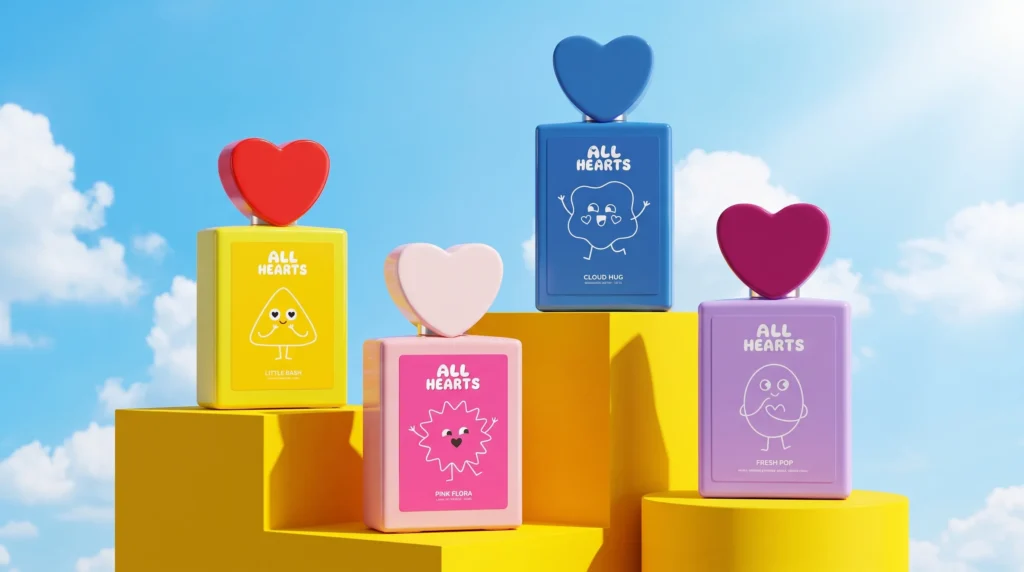
Its range includes fragrances such as:
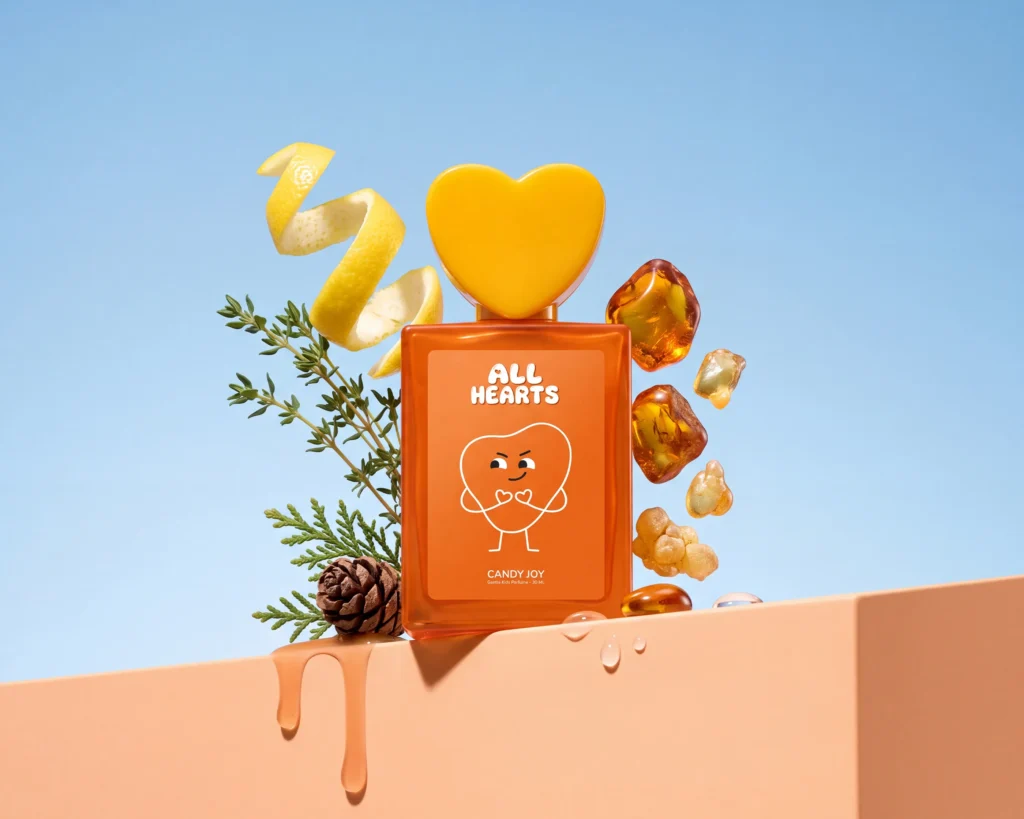
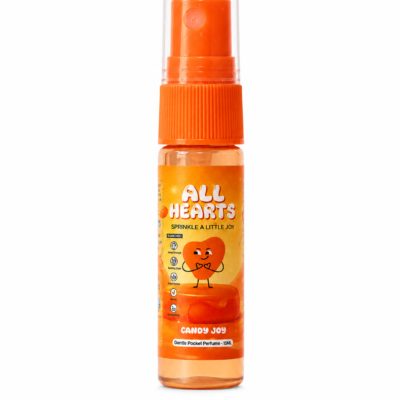
Candy Joy
A playful fragrance direction for children who enjoy bright and fun scent experiences.
Pink Flora
A floral-led option for those drawn to softer, flower-inspired fragrance profiles.
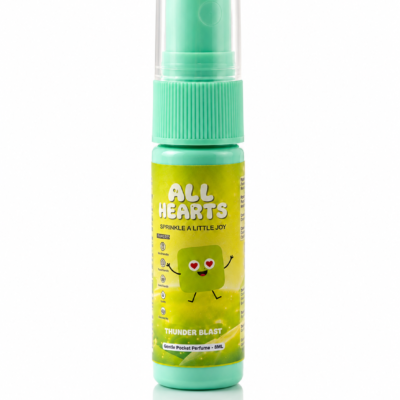
Thunder Blast
A more energetic fragrance personality for children and teenagers who prefer a bold, fresh direction.
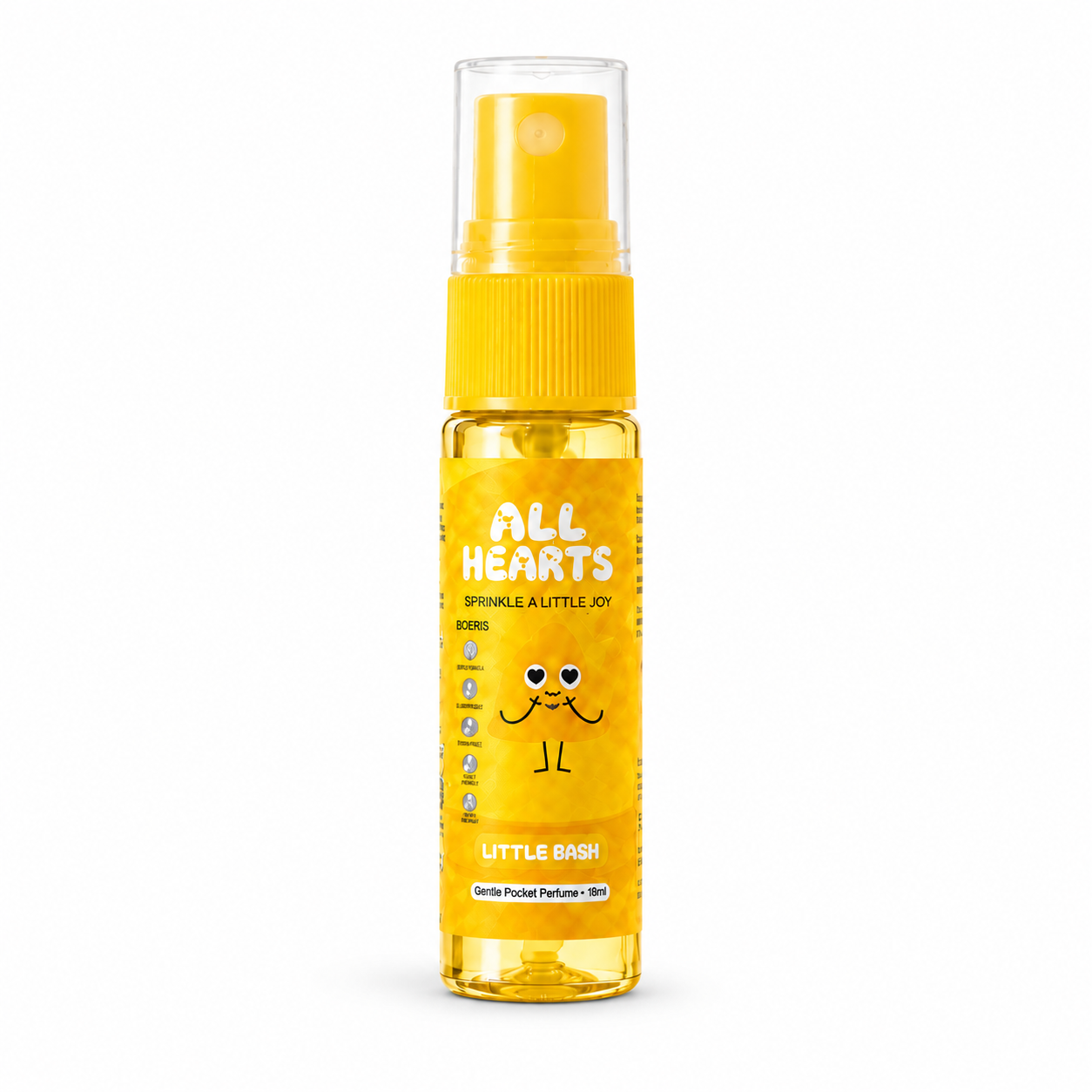
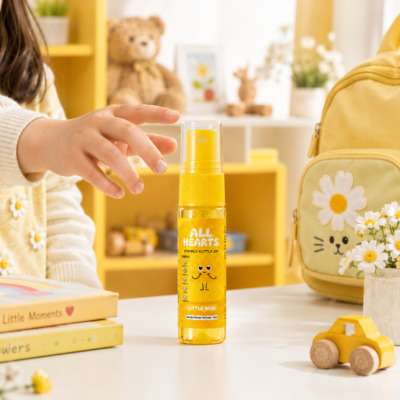
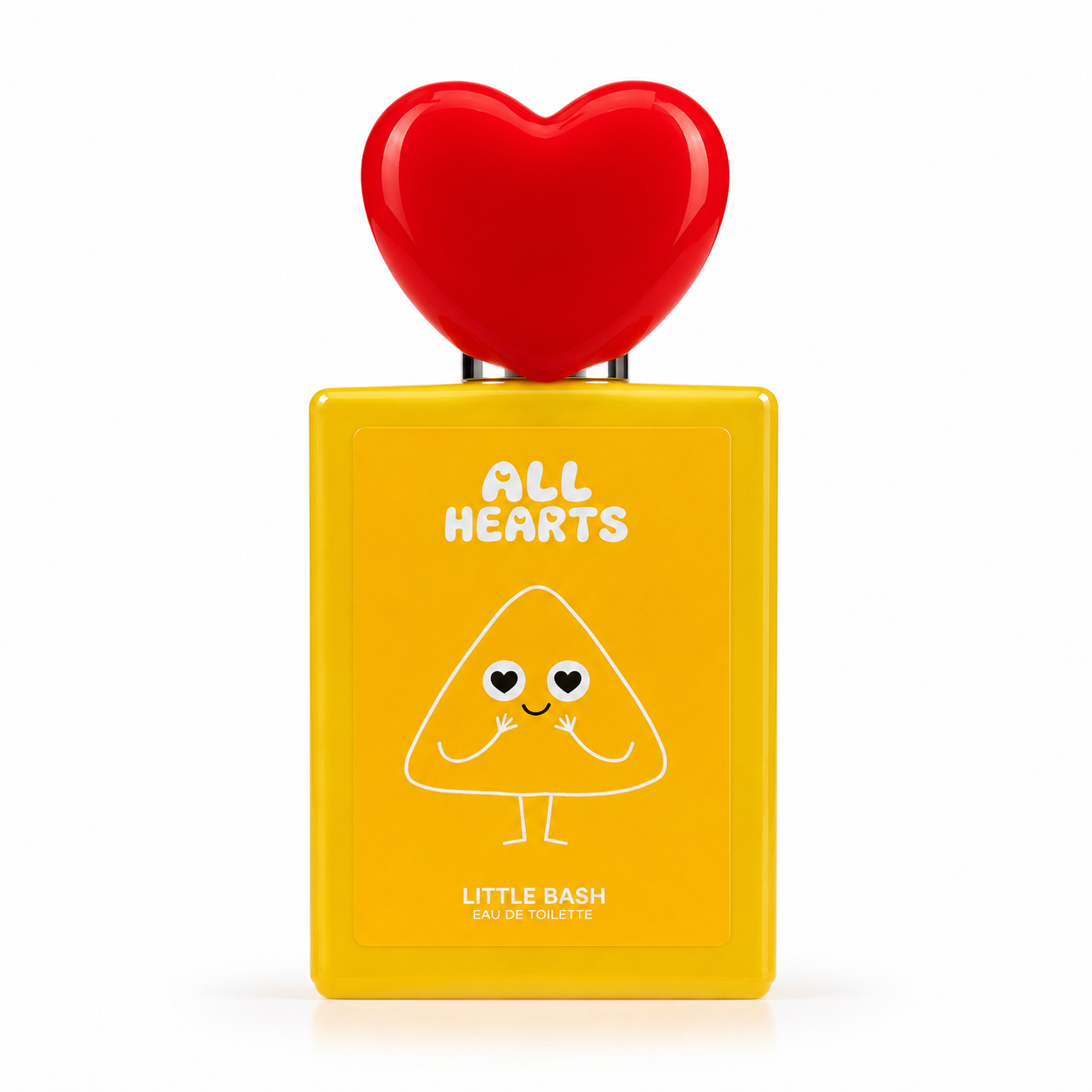
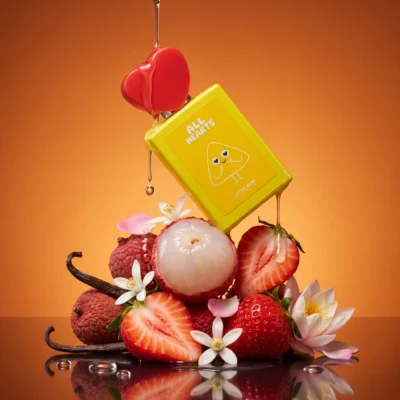
Little Bash
Another playful option within the All Hearts Junior fragrance world.
The range gives children and parents different personalities to explore rather than treating every child as having the same fragrance preference.
A Parent’s Checklist Before Buying Kids Perfume
Before purchasing a fragrance for your child, ask:
Is the product intended for their age group?
Have I read the ingredient information?
Do I understand the formulation?
Are the usage instructions clear?
Does my child actually like the fragrance?
Does my child have any known sensitivities?
Is the product convenient for their routine?
Does the school or activity have fragrance policies?
If the answer to these questions is clear, parents can make a more informed decision.
Frequently Asked Questions
Can kids wear perfume?
Children can be introduced to fragrance depending on their age, the specific product and its intended audience. Parents should review the formulation, ingredients and usage instructions before allowing a child to use perfume.
What age can kids wear perfume?
There is no universal age that applies to every child and every fragrance. Parents should consider the product’s intended age group and the child’s individual needs.
Is perfume safe for children?
Suitability depends on the specific product and the individual child. Parents should check ingredients, formulation, usage instructions and any known sensitivities.
Can kids wear alcohol-free perfume?
Parents looking for alcohol-free options should verify the product’s formulation and review its complete ingredient information and usage instructions.
Can kids wear perfume every day?
Daily use depends on the product, the child and the circumstances. Parents should follow the manufacturer’s instructions and check any school or activity-specific fragrance policies.
Is pocket perfume suitable for kids?
Pocket perfume can be a convenient format for older children and teenagers because it is easy to carry. The product should still be used according to its instructions.
What should I do if my child gets irritation from perfume?
Stop using the product. If the reaction is severe, persistent or concerning, seek appropriate medical advice.
Final Thoughts
So, can kids wear perfume?
For many families, fragrance can become a small and enjoyable part of growing up when introduced thoughtfully.
The important part isn’t simply finding a perfume with a fun bottle or choosing a fragrance because it is popular.
Parents should consider the child’s age, the product’s intended audience, formulation, ingredients, application instructions and individual sensitivities.
Younger children may need supervision, while tweens and teenagers can gradually take more responsibility for their own grooming choices.
And ultimately, perfume should be about exploration, not pressure.
A child’s first fragrance can simply be an opportunity to discover a scent they love, express a little personality and enjoy one more part of growing up.