When children become curious about fragrance, one of the first questions parents naturally ask is:
Is perfume safe for kids?
The answer isn’t simply about whether a product is labelled as a children’s perfume. Parents should consider the specific product, its formulation, ingredients, intended age group, application instructions and the individual child’s sensitivities.
Children’s fragrance should be approached thoughtfully. A fragrance can be part of a child’s grooming routine or self-expression, but parents should understand the product before introducing it.
This guide explains what parents should consider when evaluating perfume for kids and how to approach fragrance use responsibly.
Is Perfume Safe for Kids?
There isn’t one universal answer that applies to every perfume or every child.
The safety and suitability of a fragrance depend on the individual product and the child using it.
Parents should consider factors such as:
- The child’s age
- The product’s intended age group
- Ingredients and formulation
- Application instructions
- Known allergies or sensitivities
- Where the fragrance is applied
- How much product is used
- The manufacturer’s guidance
A product specifically marketed for children should still be evaluated individually.
Parents should read the product label and follow the manufacturer’s instructions rather than assuming that every children’s fragrance has the same formulation.
What Should Parents Check Before Giving Perfume to a Child?
Before introducing fragrance, parents can review several basic areas.
1. Check the Intended Age Group
Start by checking who the product is designed for.
A fragrance intended for younger children may have different positioning from one designed for tweens or teenagers.
Age is useful as a starting point, but it shouldn’t be the only consideration.
Parents should also consider the child’s individual preferences and sensitivities.
2. Read the Ingredient List
The ingredient list is one of the most useful pieces of information available to parents.
Review the ingredients provided on the product packaging or product page.
This becomes particularly important if your child has known allergies, sensitivities or a history of reactions to personal-care products.
If you are unsure about a particular ingredient or your child has a specific medical concern, speak with an appropriately qualified healthcare professional.
3. Understand the Formulation
Parents may encounter different fragrance formulations while shopping for children’s perfume.
Some products may be described as alcohol-free, water-based or gentle.
These terms describe particular characteristics of a product, but parents should still review the complete formulation and ingredient information rather than relying on a single claim.
For parents specifically searching for an alcohol-free perfume for kids, checking the manufacturer’s formulation information is especially important.
4. Follow the Application Instructions
More perfume isn’t necessarily better.
Parents and children should follow the product’s recommended application instructions.
For younger children, parents may choose to supervise application.
A small amount may be sufficient depending on the product and its instructions.
Avoid excessive application and never use a product in a way that differs from the manufacturer’s directions.
Can Kids Wear Perfume?
Children can be interested in fragrance at different stages of childhood.
Some may become curious at a young age, while others may not show interest until their tween or teenage years.
Rather than focusing only on a specific age, parents can consider:
Is the product designed for this age group?
Does the child understand how to use it?
Does the product provide clear usage instructions?
Does the child have any known sensitivities?
Can the fragrance be used appropriately in their routine?
For younger children, parental supervision can be helpful.
As children get older, fragrance can gradually become part of their own grooming and personal-care routine.
What Does Alcohol-Free Mean in Kids Perfume?
Alcohol-free is a term parents may specifically encounter when searching for children’s fragrance.
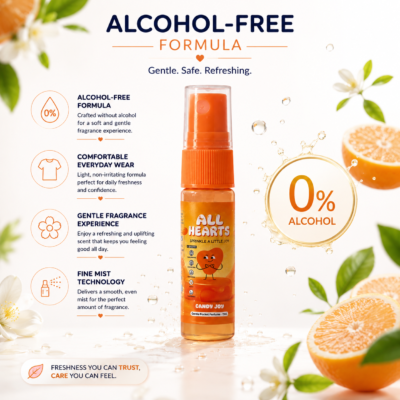
An alcohol-free fragrance is formulated without alcohol as an ingredient in its fragrance formulation.
However, parents should still review the complete ingredient list and product information.
Being alcohol-free does not mean that parents should ignore the rest of the formulation.
It is better to look at the complete product rather than relying on one characteristic.
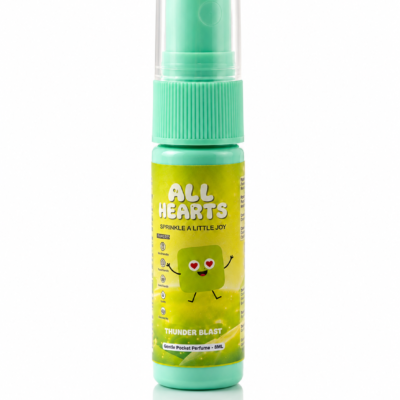
All Hearts Junior positions its fragrances as alcohol-free, giving parents a clearly defined formulation feature to consider when exploring the range.
Is Alcohol-Free Perfume Automatically Suitable for Every Child?
No single product characteristic should be treated as a guarantee of suitability for every child.
Children can have individual sensitivities, and products can contain different ingredients beyond the characteristics highlighted in their marketing.
Parents should:
- Read the complete ingredient information
- Follow the manufacturer’s directions
- Consider known sensitivities
- Supervise younger children where appropriate
- Stop using the product if irritation occurs
- Seek professional advice when they have concerns about a child’s individual reaction
This approach is more useful than assuming that one label makes every fragrance suitable for every child.
Where Should Kids Apply Perfume?
Parents should follow the product’s specific application instructions.
If the product is intended for application to skin, it should only be used in the manner described by the manufacturer.
As a general precaution, fragrance should not be applied to broken, irritated or damaged skin.
Parents should also make sure children understand that perfume is a personal-care product and should not be sprayed near the eyes, mouth or other sensitive areas.
For younger children, supervised application can help establish appropriate habits.
What If a Child Has Sensitive Skin?
If your child has known skin sensitivities, allergies or a history of reactions to personal-care products, product selection should be approached more carefully.
Read the complete ingredient information before use.
If you are uncertain about whether a particular ingredient or fragrance product is appropriate for your child, consult a qualified healthcare professional.
A small patch test may sometimes be recommended for certain personal-care products, but parents should follow the manufacturer’s guidance and professional advice rather than treating patch testing as a universal guarantee of safety.
What If the Perfume Causes Irritation?
If a child experiences irritation after using a fragrance, stop using the product.
Depending on the severity of the reaction, parents may wish to seek medical advice.
If a child develops a serious or rapidly worsening reaction, seek appropriate medical attention promptly.
Parents should also keep the product packaging and ingredient information available in case it is needed by a healthcare professional.
How Much Perfume Should a Child Use?
Children generally do not need a large amount of fragrance.
Follow the manufacturer’s instructions for the specific product.
Parents can help younger children learn that fragrance is something to use sparingly rather than repeatedly throughout the day.
This is also a useful opportunity to teach children basic personal-care habits.
Should Younger Children Use Perfume?
This depends on the individual child and the specific product.
Parents should consider the product’s intended audience, formulation, ingredients and application instructions.
Younger children may also require more supervision because they may not yet understand how personal-care products should be handled.
If a child is very young, parents may choose to wait or discuss the decision with their pediatrician, particularly if the child has allergies, sensitive skin or other individual concerns.
What About Tweens and Teenagers?
Tweens and teenagers are often at a different stage of personal-care development.
They may already be using products such as:
- Face wash
- Haircare products
- Deodorant
- Body care
- Lip care
- Fragrance
At this stage, fragrance can become part of personal expression.
Tweens may enjoy exploring fruity, floral or fresh scents, while teenagers may begin developing more defined fragrance preferences.
Parents can use this stage to encourage responsible product use rather than simply focusing on the fragrance itself.
How Can Parents Introduce Fragrance Responsibly?
Introducing perfume doesn’t need to be complicated.
A simple approach can include five steps.
Step 1: Start With the Product
Read the product information before allowing your child to use it.
Step 2: Explain How to Use It
Teach the child how much to use and where it should be applied.
Step 3: Supervise Younger Children
Younger children may benefit from parental supervision during application.
Step 4: Let Them Explore Preferences
Allow children to discover whether they prefer fruity, floral, fresh or other fragrance profiles.
Step 5: Pay Attention to Their Individual Response
If the child experiences discomfort or irritation, stop using the product and seek appropriate advice if necessary.
Kids Perfume and Personal Hygiene
It is also important to understand what perfume does and does not do.
Perfume adds fragrance. It is not a substitute for bathing, washing, deodorant where age-appropriate, or other basic hygiene practices.
Children should first develop healthy everyday hygiene habits.
Fragrance can simply be an optional part of personal grooming and self-expression.
This distinction is especially important for older children who may begin using several personal-care products.
How to Choose a Kids Perfume
When selecting a fragrance, parents can use this checklist:
Product
Is it designed for children, tweens or teenagers?
Formulation
Is the formulation clearly explained?
Ingredients
Are the ingredients available for review?
Application
Are clear instructions provided?
Fragrance
Does the scent suit the child’s preferences?
Portability
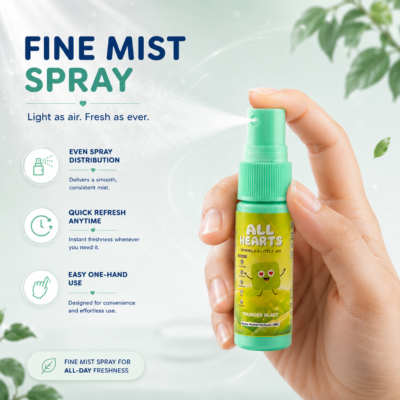
Would a pocket-sized fragrance make sense for the child’s routine?
Individual Needs
Does the child have known allergies or sensitivities that should be considered?
Brand Transparency
Does the brand provide clear and accessible product information?
These questions can make the purchasing process much more straightforward.
What Makes All Hearts Junior Different?
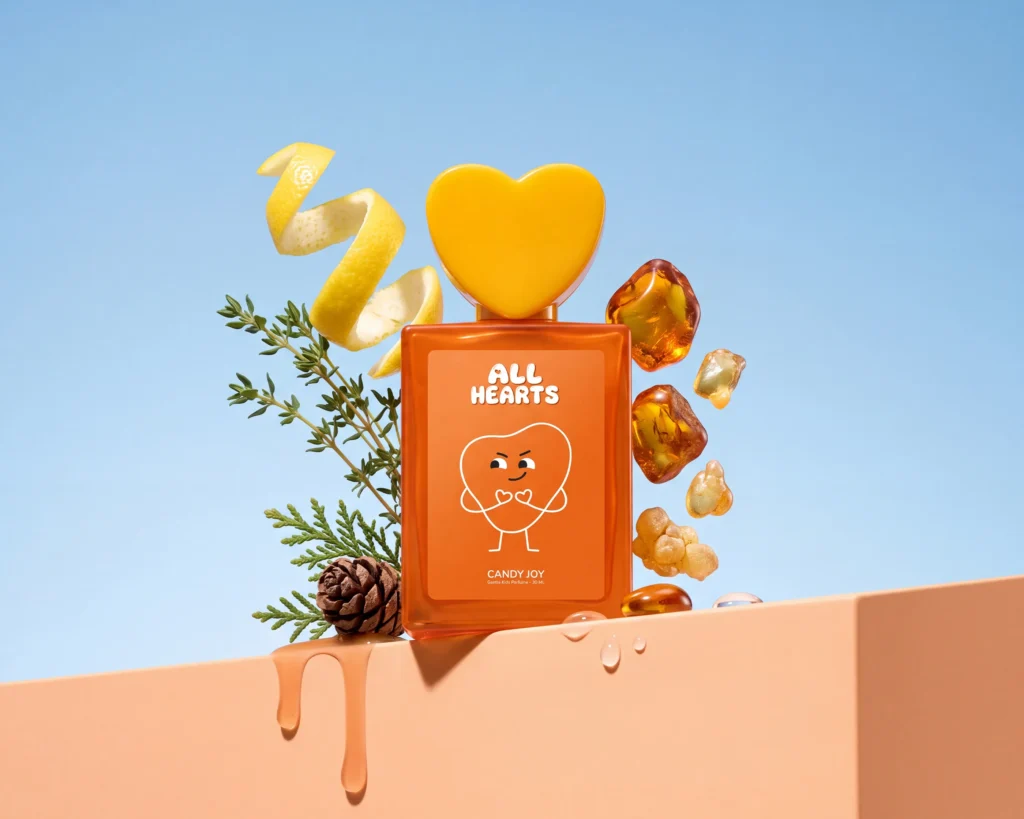
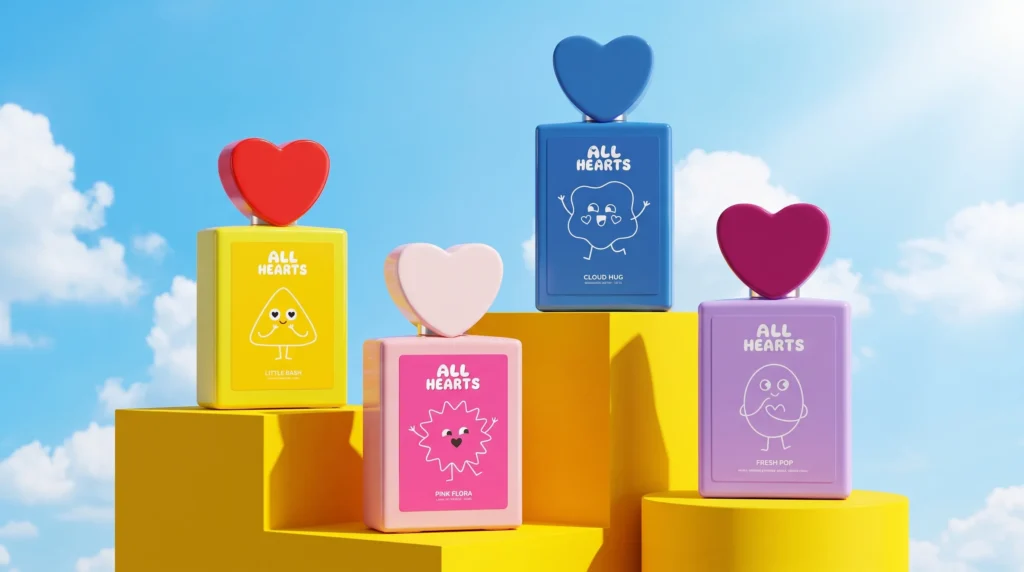
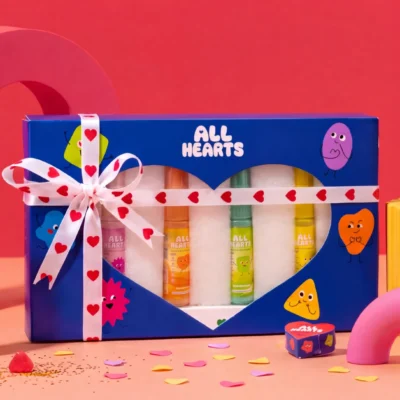
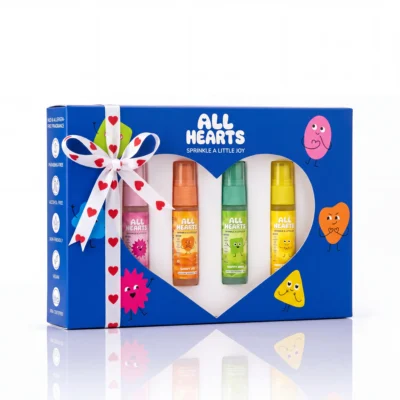
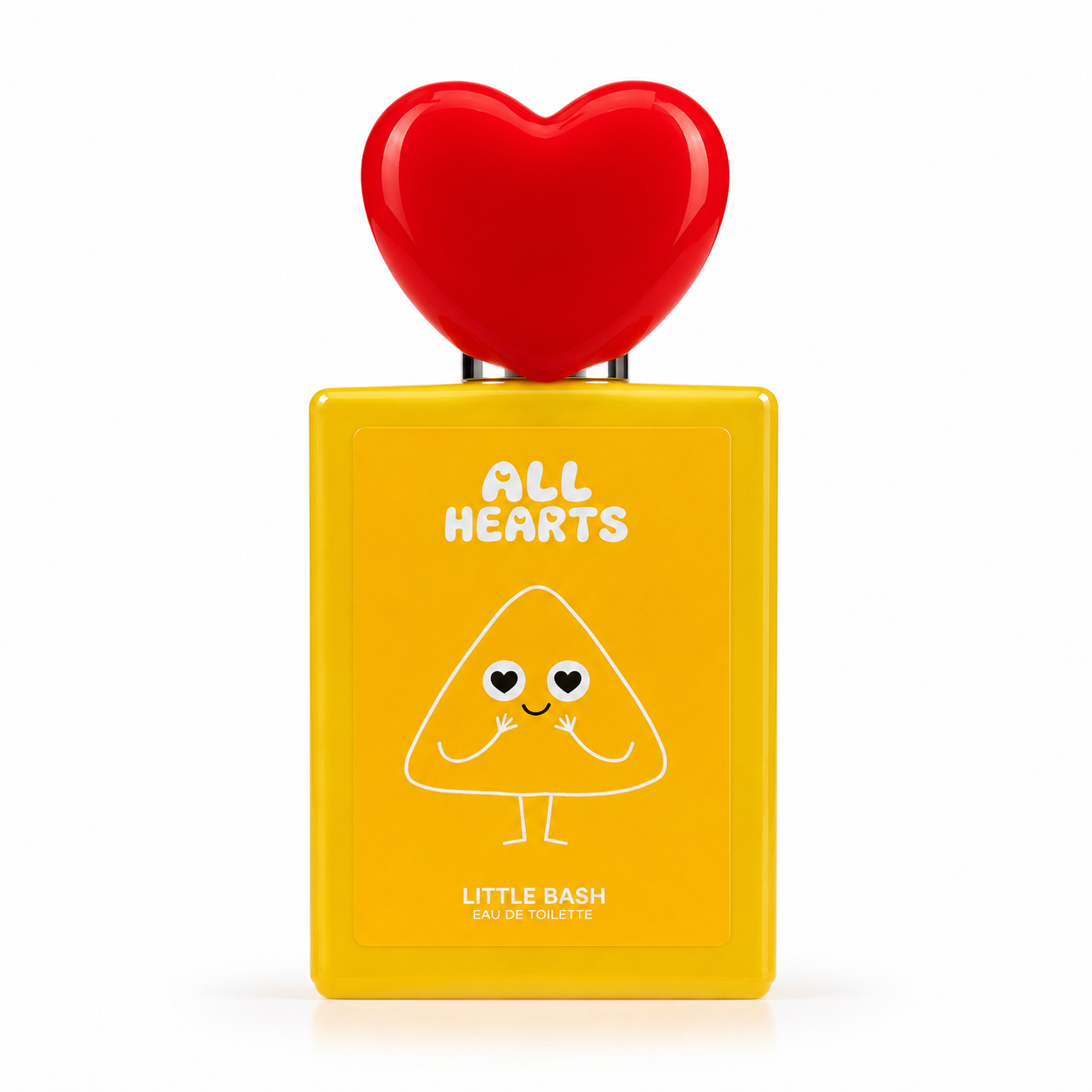
All Hearts Junior is built specifically around children’s fragrance and the transition from childhood into the tween and teen years.
The range includes fragrances such as:
- Candy Joy
- Pink Flora
- Thunder Blast
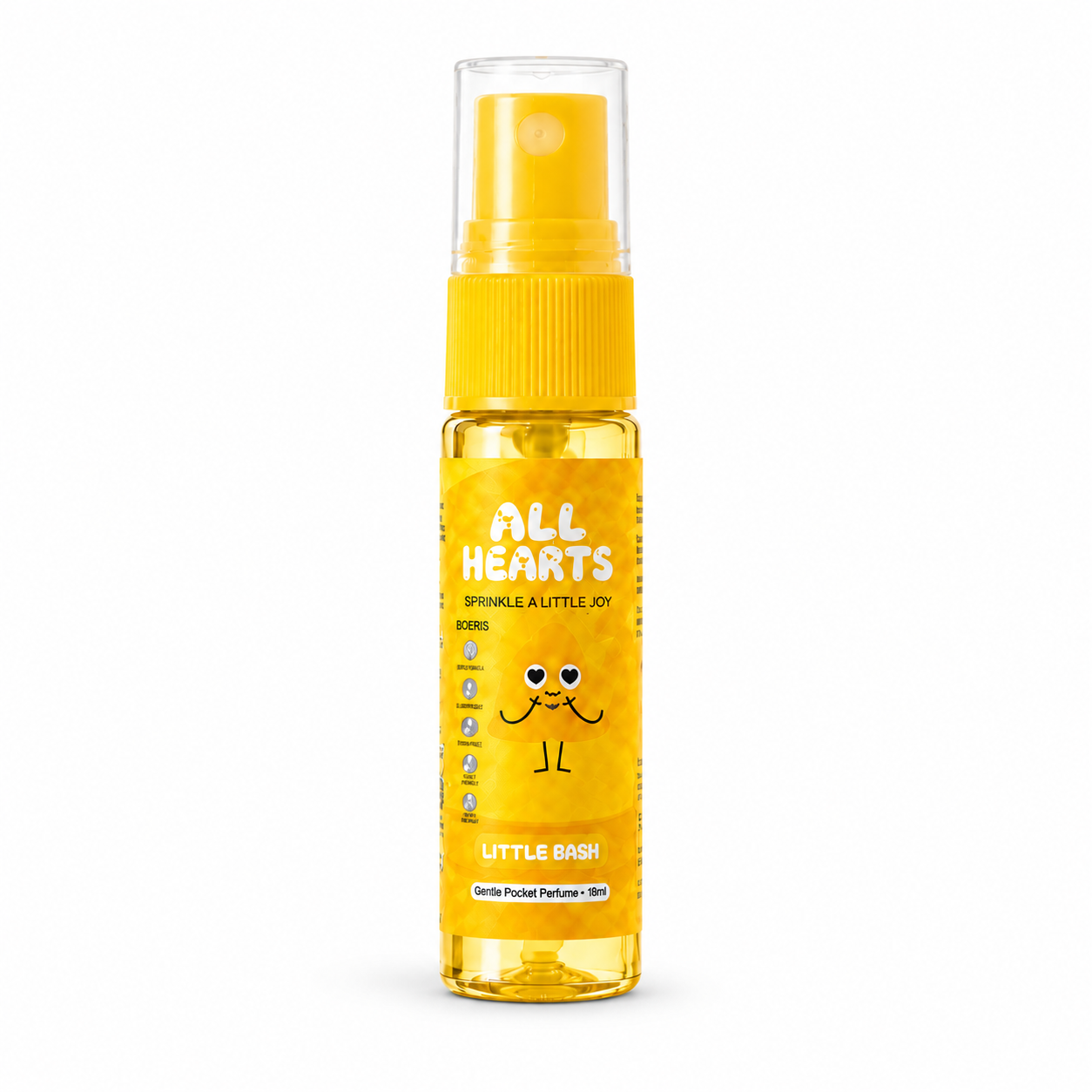
- Little Bash
Each fragrance offers a different personality and scent direction, giving children the opportunity to explore what they enjoy.
The brand also positions its fragrances as alcohol-free and communicates product information to help parents understand what they are purchasing.
Parents should still review the individual product information and follow the relevant usage instructions before introducing any fragrance.
Frequently Asked Questions About Kids Perfume Safety
Is perfume safe for kids?
There is no single answer for every product or child. Parents should consider the fragrance’s intended age group, formulation, ingredients, application instructions and the child’s individual sensitivities.
Can kids wear perfume?
Children may use fragrance depending on their age, the product’s intended audience and its usage guidance. Younger children may require parental supervision.
Is alcohol-free perfume safe for children?
Alcohol-free describes a particular formulation characteristic. Parents should still review the complete ingredients and product instructions and consider the child’s individual needs.
At what age can kids wear perfume?
There is no universal age that applies to every child and every fragrance. Parents should consider the specific product’s intended age group and usage instructions.
Can children with sensitive skin use perfume?
Children with sensitive skin may need additional consideration when selecting personal-care products. Parents should review ingredients and seek professional advice if they are uncertain about a product’s suitability.
What should I do if my child reacts to perfume?
Stop using the product if irritation occurs. If the reaction is significant, persistent or concerning, seek appropriate medical advice.
Should kids use perfume every day?
Daily use depends on the individual product, its instructions and the child’s circumstances. Fragrance is optional and should not replace basic hygiene practices.
Final Thoughts
The question “Is perfume safe for kids?” is best approached by looking at the individual product and the individual child.
Parents should check the intended age group, understand the formulation, read the ingredient information, follow application instructions and consider any known sensitivities.
For younger children, supervision can help them learn how to use fragrance appropriately. As children grow into tweens and teenagers, fragrance can become another simple way to explore personal style and self-expression.
The goal isn’t to find the strongest fragrance or use the most product.
It is to choose thoughtfully, understand what you are buying and introduce fragrance in a way that fits the child’s age, routine and individual needs.