When children become interested in fragrance, choosing a perfume for kids can feel surprisingly complicated for parents.
There are bottles in playful packaging, fruity fragrances, floral scents, pocket-sized perfumes and products marketed specifically toward younger users. But appearance alone isn’t enough to decide whether a fragrance is the right choice.
Parents should consider several things before buying, including the child’s age, the intended use, fragrance preferences, formulation, ingredients, application instructions and the product’s overall positioning.
This guide breaks down the key things to look for when choosing a perfume for kids.
What Should Parents Look for in a Perfume for Kids?
A good starting point is to look beyond the fragrance itself.
Before purchasing, parents can evaluate:
- The intended age group
- The product formulation
- Ingredients and product information
- Fragrance profile
- Ease of application
- Product size and portability
- Usage instructions
- The child’s personal preferences
- Brand transparency
- Suitability for the child’s everyday routine
Let’s look at each one.
1. Check the Intended Age Group
The first question should be simple:
Who is the product actually designed for?
Children, tweens and teenagers can have very different preferences and routines.
A younger child may enjoy playful fruity fragrances, while a tween might want something that feels more personal and expressive. Teenagers may be looking for a fragrance that becomes part of their everyday grooming routine.
Choosing a product designed with the intended age group in mind can make the experience more appropriate and enjoyable.
For parents shopping for tweens and teenagers, it can also be useful to involve the child in selecting the fragrance rather than choosing entirely on their behalf.
2. Understand the Formulation
One of the most important things to check when buying a perfume for kids is the formulation.
Parents should read the product information and understand what the manufacturer says about the fragrance.
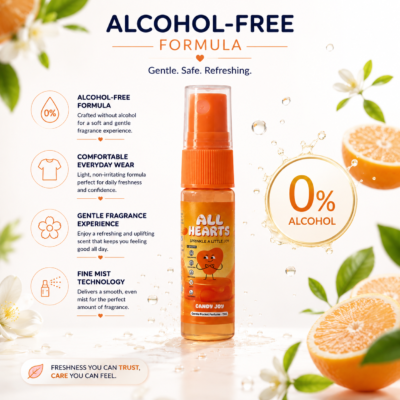
For example, some parents specifically search for an alcohol-free perfume for kids because they want to understand the formulation before making a purchase.
However, “alcohol-free” should not be treated as the only factor when evaluating a fragrance.
Parents should look at the complete product information, including:
- Ingredients
- Formulation claims
- Usage directions
- Manufacturer information
- Product warnings, if any
- Storage instructions
A clear product page makes this information easier to review before purchasing.
3. Read the Ingredient Information
Ingredients matter because they tell you what goes into the product.
When shopping online, parents should look for a clearly presented ingredient list or formulation information.
This is particularly useful when a child has known sensitivities or when parents simply want to understand the products being introduced into their child’s routine.
Instead of relying only on marketing terms such as “gentle” or “natural”, review the specific product information provided by the manufacturer.
If you have questions about a particular ingredient or your child’s individual sensitivities, consult an appropriate healthcare professional.
4. Consider the Fragrance Profile
A perfume can smell completely different depending on its fragrance family.
Before choosing a product, think about what the child actually enjoys.
Fruity Fragrances
Fruity scents can feel bright, playful and energetic.
They may appeal to children who enjoy sweet or cheerful fragrance experiences.
Floral Fragrances
Floral fragrances use flower-inspired notes and can range from soft and delicate to more expressive.
They can be a good option for children and teenagers who enjoy floral scent profiles.
Fresh Fragrances
Fresh fragrances can create a clean and energetic impression.
They can work particularly well for everyday routines, school days, outings and active lifestyles.
Sweet Fragrances
Sweet scents can feature sugary, creamy or dessert-inspired accords.
They often create a playful and distinctive fragrance experience.
Instead of asking which fragrance family is “best”, parents can ask:
Which fragrance family does my child actually enjoy?
That simple shift can make choosing much easier.
5. Don’t Choose Only Based on Packaging
Children’s fragrance packaging is often colourful, playful and designed to attract attention.
That can make packaging an important part of the experience, but it shouldn’t be the deciding factor.
A visually appealing bottle does not tell you everything about the product.
Before buying, look beyond the design and check:
- Product description
- Ingredients
- Formulation
- Intended audience
- Usage instructions
- Fragrance notes
- Brand information
The packaging can be fun. The product information should do the serious work.
6. Think About Where the Perfume Will Be Used
Consider the child’s routine.
Will the fragrance mainly be used at home?
For school?
During family outings?
While travelling?
For birthdays and celebrations?
Or as part of a daily grooming routine?
The answer can influence the format you choose.
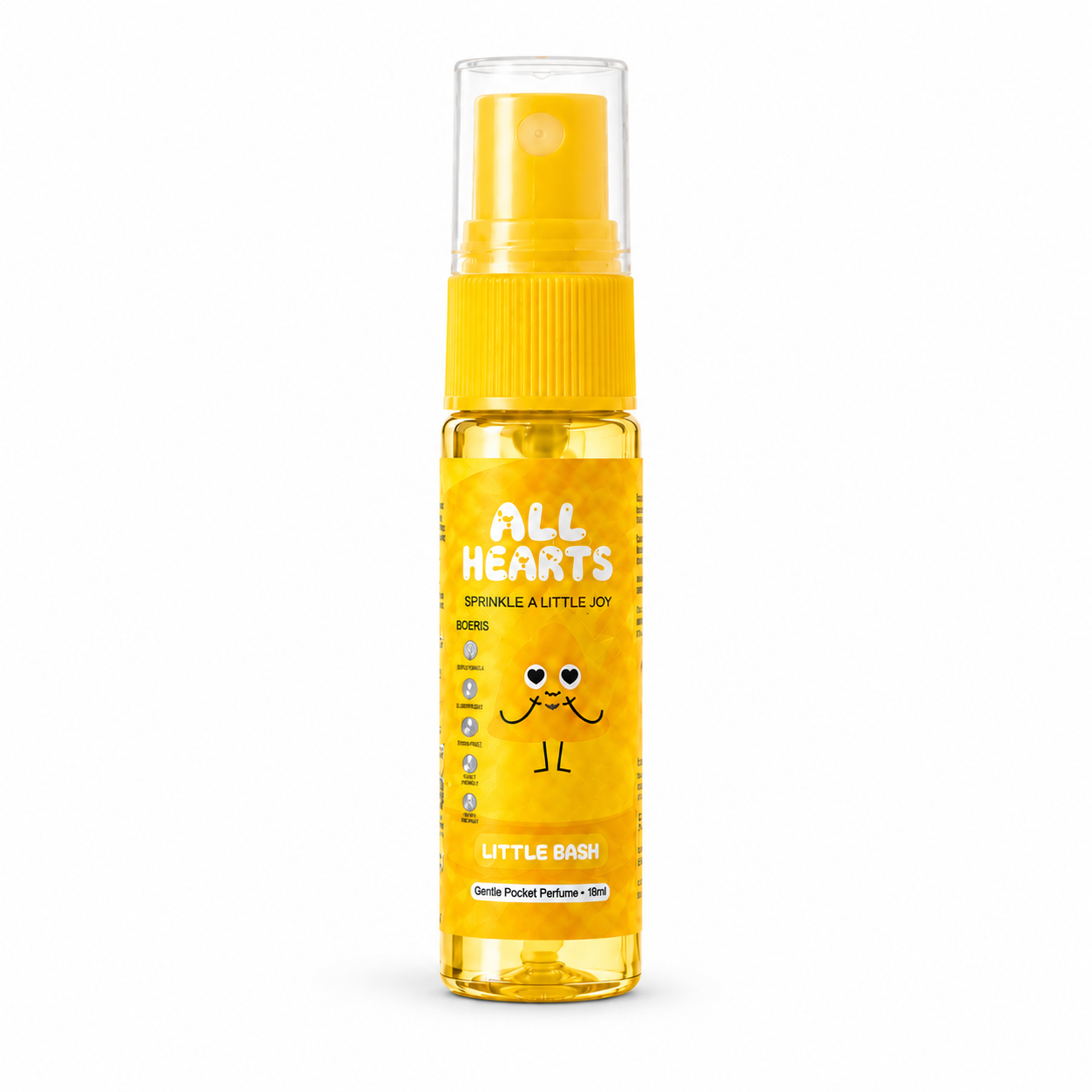
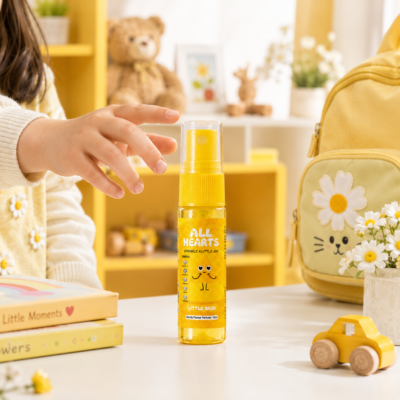
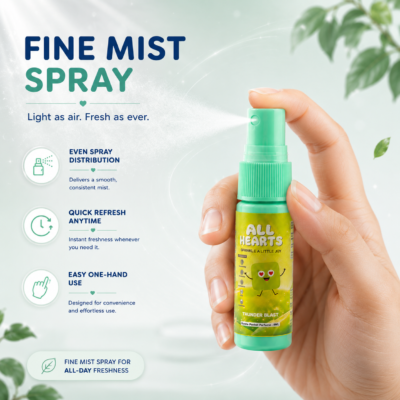
For example, a kids pocket perfume can be convenient for older children and teenagers because its compact format can fit easily into a school bag, travel pouch or personal-care kit.
For younger children, parents may prefer to supervise application.
7. Consider Portability
Size can matter more than parents initially expect.
Large perfume bottles may be better suited to keeping at home, while compact fragrances can be easier to carry.
A pocket-sized fragrance can be useful for:
- School bags
- Travel
- Weekend outings
- Sleepovers
- Family holidays
- Personal-care kits
This is one reason pocket perfume can be an interesting format for tweens and teenagers who are becoming more independent with their routines.
8. Look at How the Fragrance Is Applied
Parents should always follow the manufacturer’s application instructions.
For children, supervised application may be appropriate depending on their age.
It is also important to avoid applying fragrance to irritated or broken skin and to stop using the product if irritation occurs.
A child does not need a large amount of fragrance to enjoy the scent.
The goal should be comfortable and appropriate use rather than maximum intensity.
9. Consider the Child’s Personality
Fragrance can become a form of self-expression.
A child who loves bright colours and playful activities might naturally gravitate toward a fruity fragrance.
Another child might prefer floral scents.
Someone who enjoys sports and outdoor activities might prefer a fresh fragrance.
This is particularly relevant for tweens and teenagers, who are beginning to develop stronger personal preferences.
Instead of asking:
“Which perfume should I buy?”
try asking:
“What kind of scent feels like you?”
That makes fragrance selection more personal.
10. Look for Clear Brand Information
Parents are often more comfortable purchasing products when the brand communicates clearly.
A fragrance brand should make relevant product information easy to find.
Look for:
- Clear product descriptions
- Ingredient information
- Product specifications
- Usage instructions
- Contact information
- Brand story
- Formulation information
- Relevant certifications or testing information, where applicable
Transparency helps parents understand what they are buying.
What Makes a Good Perfume for Kids?
There isn’t one universal fragrance that is right for every child.
A suitable product should be evaluated according to the individual child and the product’s intended use.
Parents can consider a simple checklist:
| What to Check | Why It Matters |
|---|---|
| Intended age | Helps match the product to the user’s stage |
| Formulation | Helps parents understand what they’re purchasing |
| Ingredients | Useful for informed product selection |
| Fragrance family | Helps match the child’s preferences |
| Application instructions | Encourages appropriate use |
| Size | Determines portability and convenience |
| Brand information | Supports informed purchasing |
| Child’s preference | Makes fragrance more personal and enjoyable |
Should You Choose an Alcohol-Free Perfume for Kids?
Some parents specifically search for alcohol-free perfume for kids.
An alcohol-free product is formulated without alcohol as an ingredient in the fragrance formula, but parents should still review the complete ingredient list and product information.
Rather than relying on a single label, consider the entire formulation and the manufacturer’s stated product information.
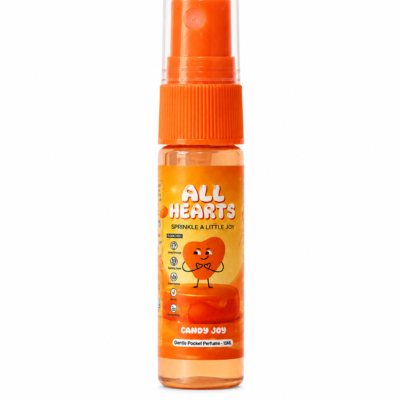
All Hearts Junior’s product range is positioned around alcohol-free children’s fragrance, giving parents a clearly defined starting point when exploring fragrance options for younger users.
Perfume for Kids vs Perfume for Adults
Parents may wonder whether they can simply choose a traditional adult fragrance for their child.
There is no need to assume that every fragrance is interchangeable.
Products designed for younger users may differ in:
- Fragrance positioning
- Scent profiles
- Packaging
- Product formats
- Intended audience
- Brand communication
A children’s fragrance can also make the experience more approachable for a child who is discovering fragrance for the first time.
What About Perfume for Tweens?
Tweens, generally children in the transition between childhood and adolescence, can have particularly interesting relationships with fragrance.
They may start experimenting with:
- Clothing
- Haircare
- Skincare
- Accessories
- Personal grooming
- Fragrance
At this stage, a perfume can become a small part of developing personal style.
For tweens, consider fragrances that feel playful without feeling overly childish.
Compact formats such as pocket perfumes can also suit their increasingly independent routines.
What About Perfume for Teenagers?
Teenagers often have more developed preferences and may want a fragrance that feels like part of their identity.
At this stage, selection can become more personality-driven.
Some may prefer:
- Fresh scents
- Fruity scents
- Floral scents
- Sweet fragrances
- More distinctive fragrance combinations
Instead of selecting solely by age or gender, consider the individual’s preferences and the product’s intended audience.
How to Choose a Perfume for a Child as a Gift
If you’re buying a fragrance as a gift, you may not know the child’s exact fragrance preference.
In that case, consider:
For Younger Children
Look for playful, approachable fragrance profiles and convenient formats.
For Tweens
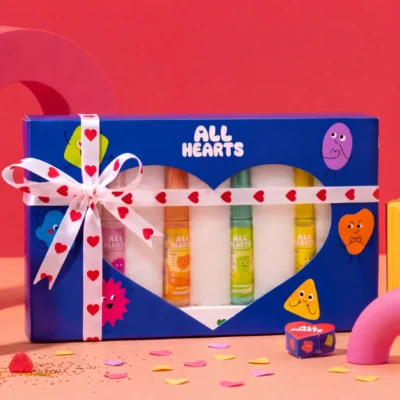
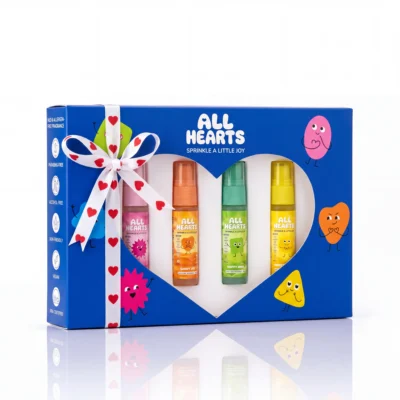
Consider pocket perfumes, gift sets or fragrance combinations that allow them to explore different scents.
For Teenagers
Personality-led fragrances and more versatile scent profiles can make thoughtful gifts.
If you are unsure about a specific fragrance, a gift set can provide more than one option to explore.
Is a Pocket Perfume Better for Kids?
A pocket perfume isn’t necessarily “better” for every child, but the format can offer practical advantages.
Its smaller size can make it:
- Easier to carry
- Convenient for travel
- Suitable for personal-care kits
- Easier to store
- More approachable for first-time fragrance users
For older children and teenagers, portability can make fragrance easier to integrate into an everyday routine.
A Simple Buying Checklist for Parents
Before purchasing a perfume for kids, ask these questions:
1. Who is it designed for?
Check the intended age group.
2. What is the formulation?
Read the product information carefully.
3. What ingredients are listed?
Review the ingredient information provided by the brand.
4. What does it smell like?
Identify whether it is fruity, floral, fresh, sweet or another fragrance family.
5. How will it be used?
Consider school, home, travel, outings and special occasions.
6. Is it easy to carry?
A pocket format can be useful for older children.
7. Does my child actually like the scent?
Whenever possible, involve them in the decision.
8. Does the brand provide clear information?
Look for transparent product and usage information.
Exploring Perfume for Kids with All Hearts Junior
All Hearts Junior creates fragrances specifically around the world of children, tweens and young personalities.
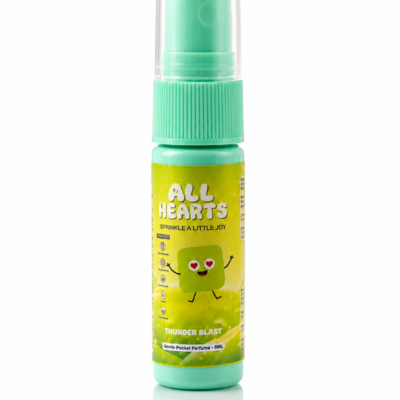
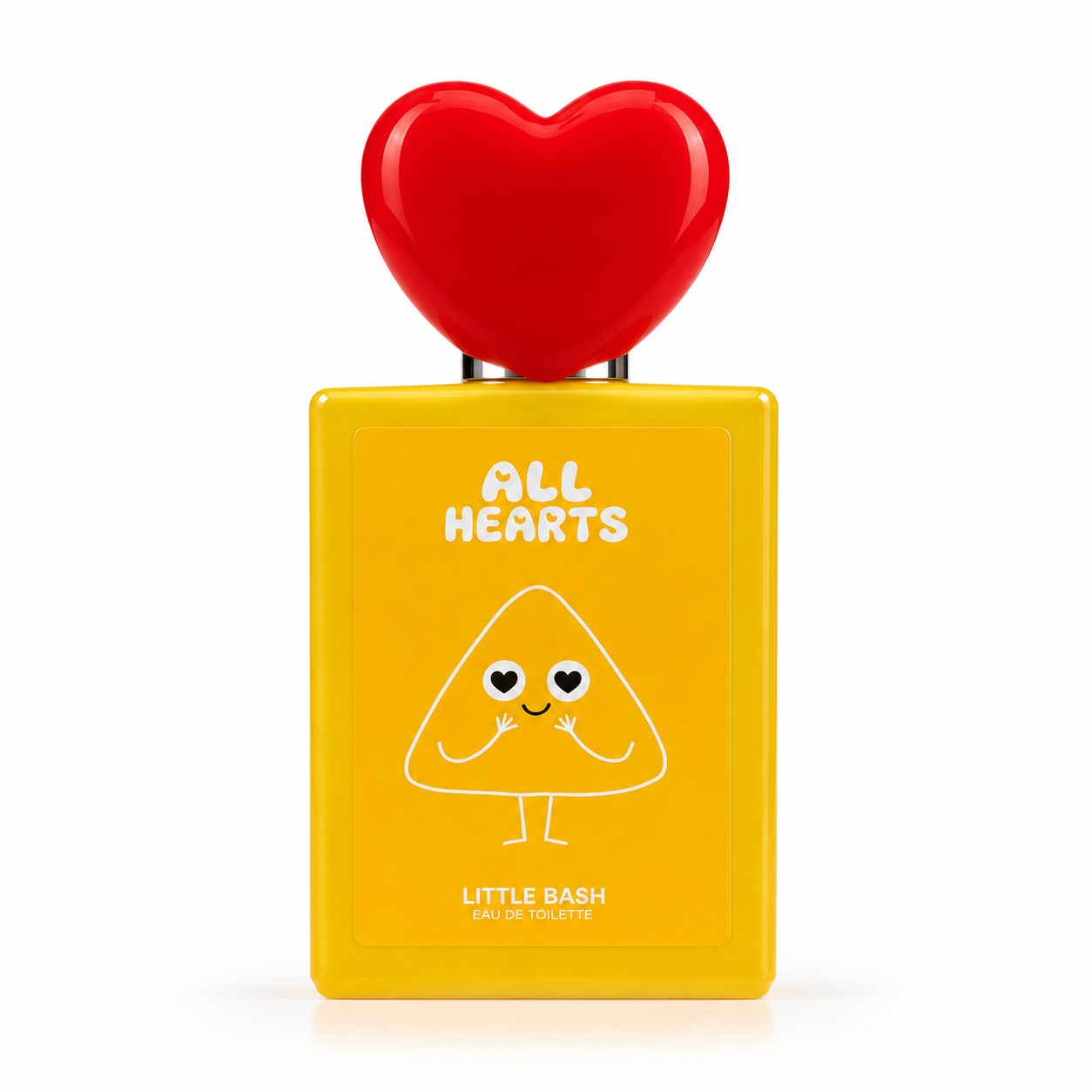
The range includes fragrances such as Candy Joy, Pink Flora, Thunder Blast and Little Bash, offering different fragrance directions for different preferences.
For parents, choosing a fragrance can begin with understanding the child’s personality and then reviewing the product’s formulation, ingredients, intended audience and usage information.
For children, it can simply be about finding a scent they enjoy.
Frequently Asked Questions
What is the best perfume for kids?
There isn’t one fragrance that is best for every child. Parents should consider the child’s age, preferences, the product’s intended audience, formulation and usage instructions.
What should I check before buying perfume for my child?
Check the intended age group, ingredients, formulation, fragrance profile, usage instructions, brand information and product format.
Is alcohol-free perfume better for kids?
“Better” depends on the individual product and the parent’s requirements. Parents looking for alcohol-free options should verify the formulation and review the complete product information.
What perfume is suitable for tweens?
Tweens can explore fruity, floral, fresh and other fragrance families depending on their preferences. Compact formats such as pocket perfumes can also be convenient.
Can kids use pocket perfume?
A pocket perfume can be a convenient format for older children and teenagers. Parents should follow the manufacturer’s application instructions and consider the child’s age.
How do I choose a perfume as a gift for a child?
Consider the child’s age, personality, preferred scent family and the convenience of the format. Gift sets can be useful when you’re unsure which individual fragrance they will prefer.
Final Thoughts
Choosing a perfume for kids is less about finding one universally perfect fragrance and more about finding a product that fits the child.
Start with the basics: understand who the product is designed for, review its formulation and ingredients, explore fragrance families, follow usage instructions and consider how the perfume will fit into the child’s routine.
Most importantly, let children gradually discover what they like.
For a tween or teenager, choosing a fragrance can be one of those small experiences that helps them explore their personality and develop their own sense of style.